
Despite the problematic interracial history of the United States, it seems that the educational gaps between Afro-Americans and Caucasians in the US are finally starting to narrow. As the graph –published at the US Census Bureau – shows, the percentage of undergraduates aged 25 and over among the African-American population has risen by hundreds of percent since the 1940s. Black education in the United States made up a few percent of the people in the past, today, approximately thirty percent of the age group in question have a bachelor’s degree.
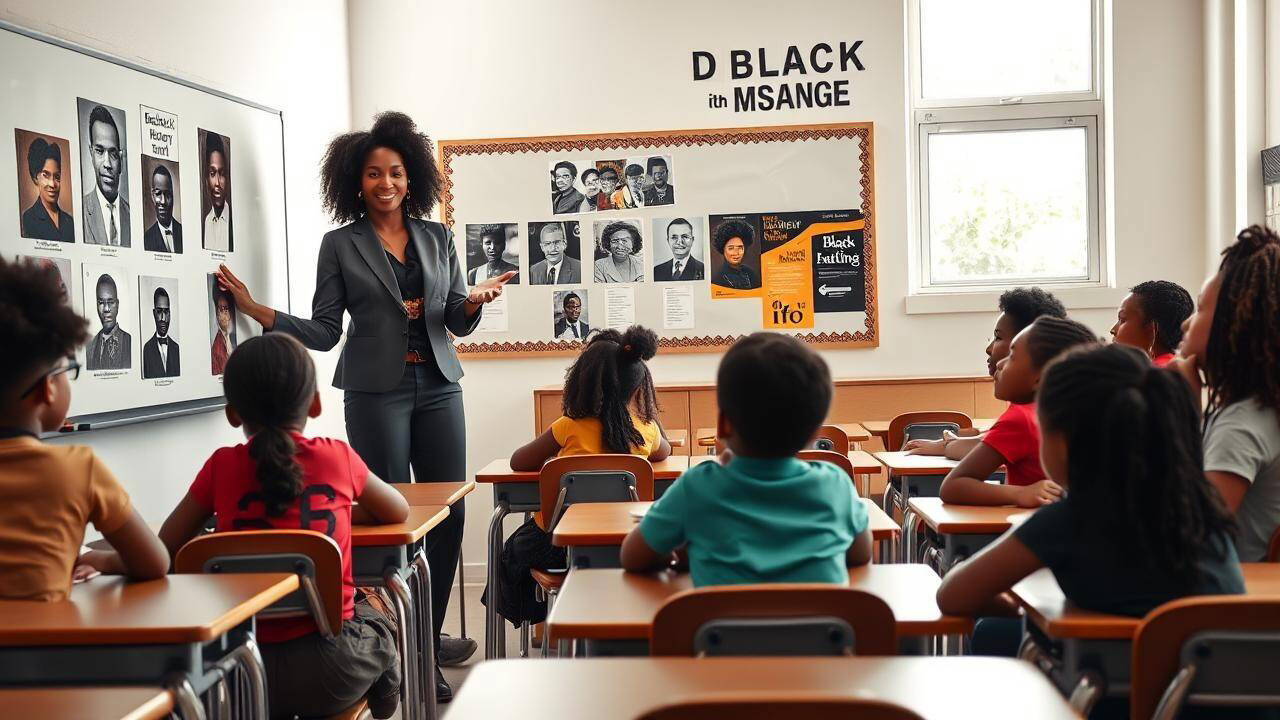
Over the past few decades, Black education in the United States has shown significant progress, reflecting improvements in access, opportunity, and academic achievement. While historical inequalities in the education system created long-standing challenges, recent trends show a steady rise in enrollment, graduation rates, and higher education attainment among Black students.
One of the most notable improvements is the increase in high school graduation rates. According to recent national data, Black student graduation rates have reached record highs, narrowing the gap between Black students and the national average. This progress highlights the impact of improved school support systems, community programs, and educational reforms.
Another key area of growth is college enrollment and degree completion. More Black students are pursuing higher education than ever before, with strong participation in universities, community colleges, and professional programs. Fields such as business, healthcare, technology, and social sciences are seeing increasing representation from Black students.
If you would like to immigrate to a place that keeps upgrading its human rights issues and equality statistics, we recommend starting thinking about immigration to the United States. To do so, You need to be in good hands- Inmigtalink will help you do it the right way. For more information press here.

 English
  Spanish